
ruff.feechers
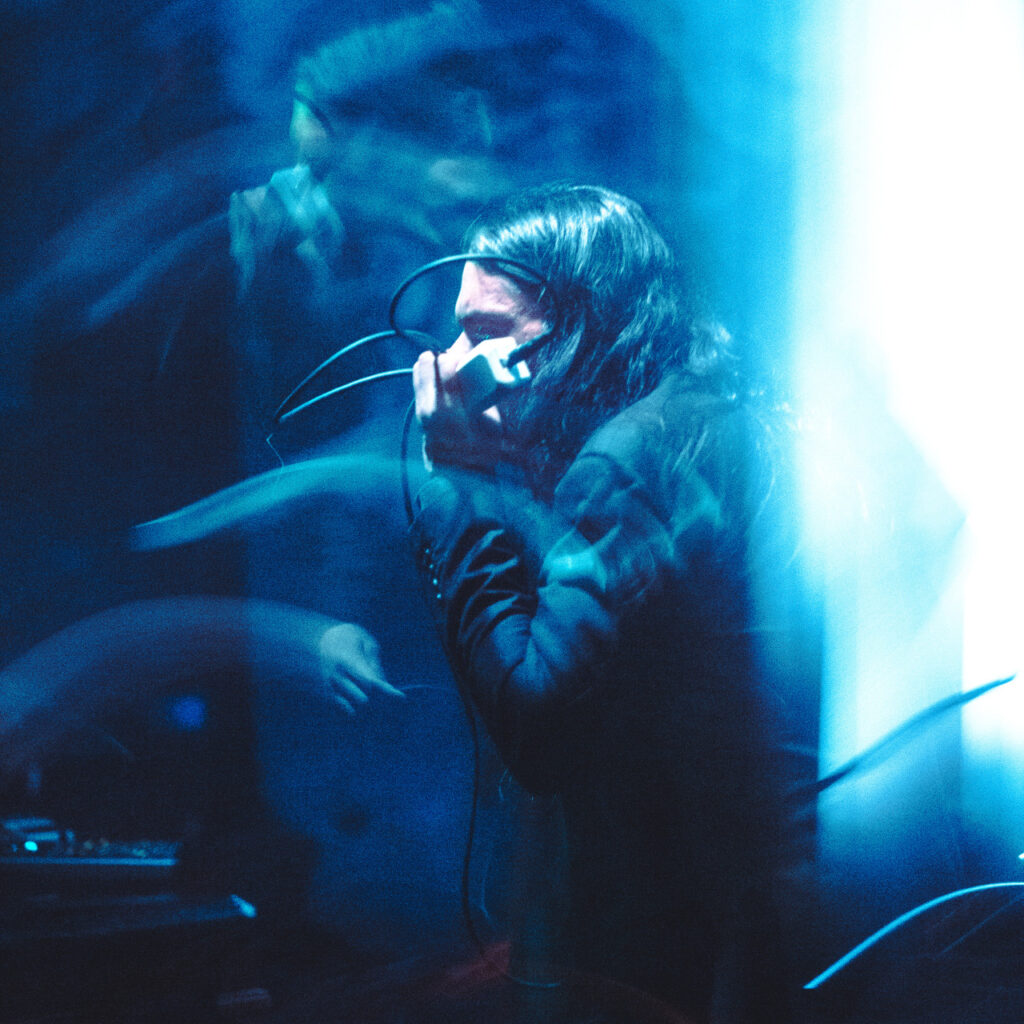
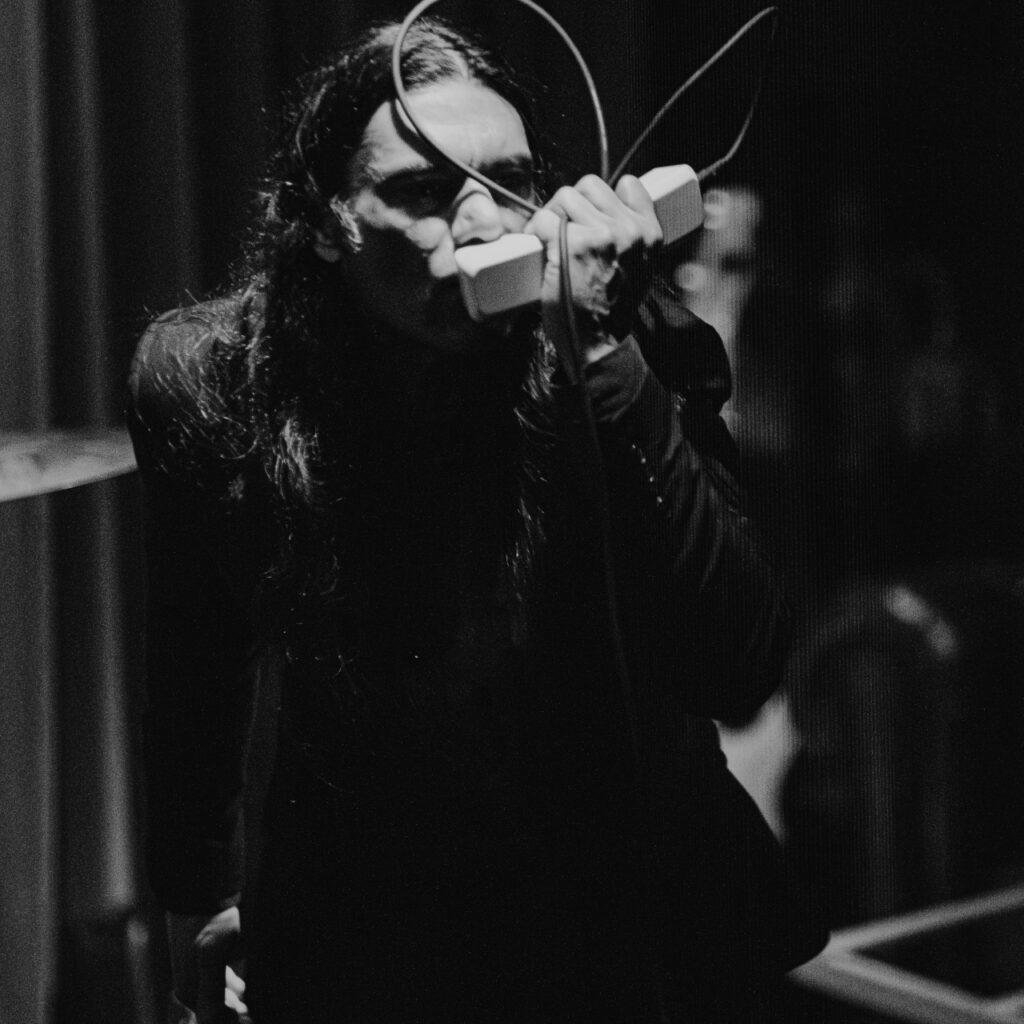
ruff.feechers is the first solo project of Ashish “Hash” Vyas. Hash, who has thrashed out noise rock roots from the late 90’s San Diego music scene playing in GoGoGo Airheart (GSL Records) before graduating to the groove laden hip stars, Thievery Corporation for the following decade and a half.
Ever indebted to the groove, ruff.feechers takes these experiences as well as other opportunities he’s had like playing with Angelo Moore’s Brand New Step (Fishbone) and filling in with bands that play reggae, jazz, punk and roots rock and has twisted them into his own brand of indie tinged dance punk.
Opening up the EP is Shady Side of Centredale. In his best one man band paying respect to the likes of Suicide, this track works as an biographical document of shady business that happens on city streets nationwide.
Where Wasting Time feels angelic and dreamy with moments lost in the chaos of a fever dream. Closing out the release is the title track Bang Bang. A poignant piece taking all the elements of a messy political scene and mixing it all together in a Maggot Brain-eque chaotic montage.
Again, ruff.feechers keeping true to the groove, keeps the party rolling with beats and the same visual assault Hash has come to be known for.
Psychic Static is honored to have ruff.feechers debut EP, Bang Bang(Thoughts & Prayers) available for streaming on all platforms December 11, 2024.
The reworked “John the Revelator” takes a blues standard that’s been sung to death and revives it by refusing to treat it politely. Built on a recreated Casio keyboard pattern, the track replaces muscle and sweat with insistence and repetition, and that choice turns out to be the point. The rhythm nags, the tones are blunt, and the song becomes a kind of modern sermon—less about virtuosity than about bearing witness. The blues survives because it always does
“The Beaches of Patmos” pushes in the opposite direction, stripping away voice and narrative in favor of slow, accumulating motion. Its Philip Glass–influenced minimalism unfolds patiently, trusting the listener to stay put while small changes do the heavy lifting. When the outro drifts into krautrock, nodding to Faust and Neu, it doesn’t explode so much as loosen its grip, letting the piece move forward on momentum rather than structure.
Together, these tracks form a cracked gospel—ancient blues and modern minimalism dragged through cheap tools and stubborn repetition—music that trusts obsession over polish and finds revelation in commitment rather than refinement.